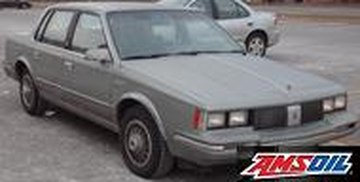
Maintaining Lubrication Integrity for the 1982 Oldsmobile CIERA 2.5L
Proper engine care for a vehicle of this era requires a focus on consistent monitoring and proactive inspection. For owners of a 1982 Oldsmobile CIERA equipped with the 2.5L engine, maintaining the lubrication system is a fundamental aspect of long-term mechanical health. Because older engines rely heavily on the quality and cleanliness of their fluids, establishing a reliable service routine is essential for managing the natural aging processes of various components.Monitoring Fluid Condition and Potential Leaks
One of the most effective ways to monitor the health of an engine is through regular visual inspections. For the 1982 Oldsmobile CIERA, this involves looking for any signs of fluid seepage or active leaks around the engine block and associated sealing surfaces. Over time, gaskets and seals may undergo changes in their ability to maintain a tight barrier, which can lead to minor weeping or more significant leaks. When performing these checks, it is helpful to look at the area beneath the vehicle after it has been parked for an extended period. Any accumulation of fluid on the driveway can be a primary indicator that a seal or gasket requires attention. Additionally, inspecting the engine compartment while the vehicle is running—carefully avoiding moving parts—can help identify if any lubricant is contacting hot surfaces, which may produce distinct odors. It is important to note that various symptoms, such as an unusual smell or visible fluid, can have multiple underlying causes. Rather than assuming a specific component has failed, these observations should be treated as prompts for a more thorough investigation by a qualified technician.Managing Engine Oil and Component Longevity
The engine oil serves several vital roles in the 2.5L power plant, including reducing friction between moving parts and assisting in thermal management. As the oil circulates, it also helps to carry away heat and suspend small particles that could otherwise lead to the buildup of deposits or sludge within the engine. To maintain these benefits, regular changes are necessary to ensure the lubricant retains its chemical stability and protective properties. If an engine shows signs of high mileage, some owners consider using high-mileage oil formulations. These specific products often contain seal-conditioning additives designed to help maintain the elasticity of aging seals, which may assist in managing minor seepage. Furthermore, maintaining a clean air filtration system is a secondary but important part of lubrication protection. A clean filter ensures that debris does not enter the combustion chamber or the crankcase, where it could potentially contaminate the oil and accelerate its degradation.Prioritizing Maintenance Based on Current Condition
As vehicles age, the approach to maintenance often shifts from strictly following a calendar-based schedule to a more condition-based strategy. For an owner of a 1982 Oldsmobile CIERA, this means prioritizing tasks based on what the vehicle actually requires at any given moment. If you are working with a vehicle that has no documented service history, establishing a maintenance baseline is a logical first step. This involves performing a comprehensive inspection of all fluids and major wear items to determine their current state. Once a baseline is established, you can better track changes over time, such as whether the oil consumption rate is increasing or if certain seals are beginning to weep more frequently. Rather than replacing components simply because they have reached a certain age, focus on addressing active warning signs or evidence of wear. This distinction between preventive maintenance and unnecessary parts replacement helps in making informed, cost-effective decisions regarding the vehicle's upkeep.Observing Potential Warning Signs
Staying attentive to how the engine behaves during operation can provide early warnings of lubrication issues. While many problems develop slowly, some may present more immediate indicators that require investigation:- Changes in lubricant appearance: If the oil on the dipstick appears excessively dark, gritty, or has a milky consistency, it warrants an immediate check for contamination.
- Unusual mechanical noises: Any new or persistent sounds coming from the engine area should be investigated to ensure all moving parts are receiving adequate lubrication.
- Warning indicators: If the dashboard displays any fluid-related warning lights, the vehicle should be inspected immediately to prevent potential damage.
- Changes in consumption: A noticeable increase in how often you need to check or add oil can indicate that the engine is consuming more lubricant than usual.
Long-Term Ownership and Record Keeping
For those committed to the long-term operation of their 1982 Oldsmobile CIERA, maintaining detailed service records is invaluable. A well-kept log of oil changes, filter replacements, and any repairs performed provides a clear picture of the vehicle's mechanical history. Having these records allows an owner to:- Identify patterns in fluid consumption or leakage.
- Verify that all maintenance has been performed according to the necessary requirements.
- Provide evidence of consistent care when attempting to troubleshoot complex issues.
- Make more accurate decisions regarding which components are nearing the end of their service life.